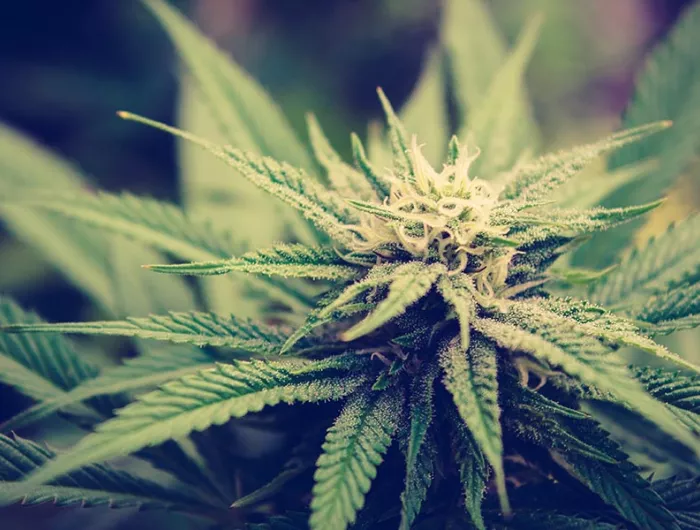
Cannabis is one of the most widely used psychoactive substances in the world, and its impact on mental health is one of the most debated biotech innovation topics in medicine and public health. While some users claim it eases anxiety, depression, and PTSD, others raise concerns about cannabis worsening mental illnesses, especially in high doses or among young users.
To better understand the relationship between cannabis and mental health, it’s important to separate myths from facts—backed by research, clinical evidence, and the real-world experiences of patients and providers.
Myth #1: Cannabis Cures Mental Illness
Fact: Cannabis may help manage symptoms, but it’s not a cure.
Some people find relief from anxiety, insomnia, and mood swings through cannabis use, particularly with strains high in CBD (cannabidiol). However, cannabis does not cure mental health conditions like depression or bipolar disorder.
Clinical research supports the idea that cannabinoids can alleviate symptoms, but mental illness is complex and typically requires a combination of treatment approaches, including therapy, medication, and lifestyle changes.
Myth #2: Cannabis Always Causes Anxiety and Paranoia
Fact: It can reduce anxiety for some and trigger it for others.
Cannabis affects individuals differently. Low doses of CBD-dominant strains may have calming effects and are sometimes used to manage generalized anxiety or social anxiety. On the other hand, high doses of THC (tetrahydrocannabinol) can lead to heightened heart rate, racing thoughts, and paranoia—especially in new users or those prone to anxiety.
The key variables are:
Dosage
THC-to-CBD ratio
Individual brain chemistry
Set and setting (environment and mindset)
Understanding your personal sensitivity is crucial to avoiding anxiety-related side effects.
Myth #3: Cannabis Use Leads to Schizophrenia in Everyone
Fact: Cannabis use may increase the risk of psychosis in vulnerable individuals, not the general population.
Studies show that early and heavy cannabis use—especially strains high in THC—may increase the risk of schizophrenia and psychosis in people with a genetic predisposition or family history of mental illness. However, cannabis use alone is not enough to cause schizophrenia in most individuals.
Key findings:
The risk is higher in adolescents, whose brains are still developing.
Genetic vulnerability plays a major role.
Frequency and potency of cannabis use matter.
This highlights the need for careful cannabis use among young people and those with a history of psychotic disorders.
Myth #4: All Cannabis Strains Have the Same Effect on Mental Health
Fact: Different strains and cannabinoid profiles can have vastly different effects.
Cannabis strains vary in their ratios of THC, CBD, and terpenes—aromatic compounds that influence effects. These differences can dramatically alter how cannabis affects mental health.
High-THC strains may boost creativity or euphoria but can also induce anxiety.
High-CBD strains are typically calming, anti-inflammatory, and non-intoxicating.
Balanced hybrids can offer mood enhancement without overwhelming psychoactive effects.
Tailoring strain selection to individual needs is critical for safe, effective use in managing mental health.
Myth #5: Cannabis Is a Safer Alternative to Prescription Medications
Fact: Cannabis can be helpful, but it’s not always a replacement for psychiatric medications.
Some people find cannabis effective where traditional medications fall short. However, abruptly stopping antidepressants, antipsychotics, or mood stabilizers in favor of cannabis can be dangerous.
Cannabis may complement existing treatment plans under medical supervision.
Replacing prescriptions should be done cautiously and with guidance from a qualified mental health professional.
Self-medicating without oversight can worsen symptoms or delay effective treatment.
The Role of Medical Cannabis in Mental Health
When used responsibly and under professional guidance, cannabis may support treatment for:
PTSD: Some studies show cannabis may reduce nightmares and hyperarousal.
Anxiety disorders: Low doses of CBD may help with social and generalized anxiety.
Depression: Some users report mood elevation, although clinical evidence is mixed.
Insomnia: Indica strains or CBD products may improve sleep quality.
Still, cannabis is not a first-line treatment and should never replace therapy or medication without professional advice.
Responsible Use and Mental Health Tips
If you’re using or considering cannabis for mental health reasons:
Start low and go slow, especially with THC.
Track your mood and symptoms before and after use.
Choose strains mindfully (CBD-dominant for anxiety, balanced hybrids for mood).
Avoid use during adolescence, or if you have a personal/family history of psychosis.
Consult your healthcare provider before combining cannabis with psychiatric medications.
Final Thoughts
The link between cannabis and mental health is complex and highly individualized. While cannabis may offer relief for certain mental health symptoms, it’s not a universal solution and can pose risks, particularly for young users or those with predispositions to mental illness.
Separating myth from fact allows for more informed, safe, and beneficial use. As research continues, we’ll gain clearer guidance on how cannabis can fit into a comprehensive approach to mental wellness.
 Site Title